CrossFit Injury Risk
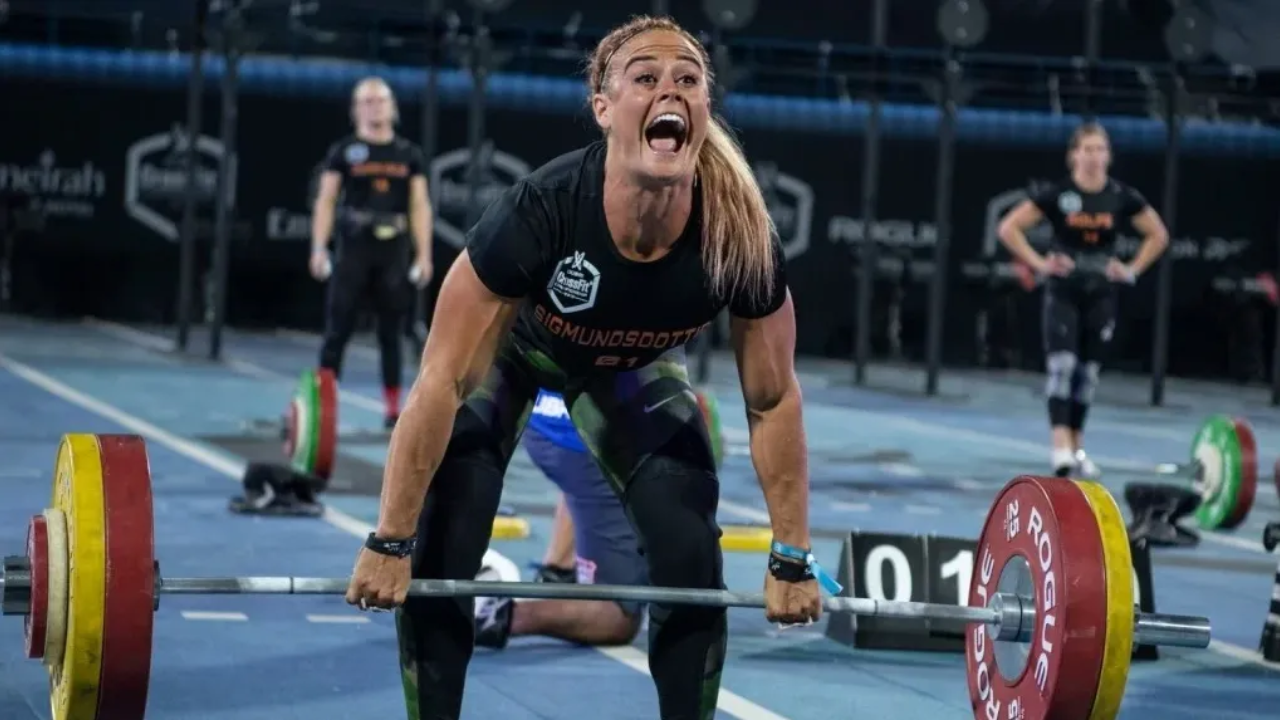
Feb 18, 2026When I was an undergraduate student working at a physical therapy office I heard someone make a joke that the best job security for a physician or physical therapy practice is to be across the street from a CrossFit gym. You may have heard similar sentiments from doctors, or may even have friends hesitant to try CrossFit because they “don’t want to get injured.” Let’s begin by saying that every activity in life has some amount of risk, driving a car is one of the most risky things people do everyday. So then, the question is not whether CrossFit has some inherent risk, but rather, what is the actual incidence rate of injuries in the CrossFit community. Taking it a step further we will look at what the most common injuries are and the movements with highest likelihood to lead to said injuries.
First, the incident rate. Studies suggest that the incident rates for CrossFit participants are .27 per 1000 hours of the sport on the low end to 9.5 per 1000 hours for novices on the high end. That is comparable to incident rates for weight lifting and power lifting. Runners have an incident rate at 7.7-17.8 per 1000 hours, which is considerably higher than for CrossFit participants (this is not meant as a jab at runners). I think it’s time we debunked the myth that CrossFit is inherently dangerous. Rather, the focus should be on finding good coaches, working on proper form first, and scaling workouts appropriately to fit current levels of fitness. Having a good physical therapist to manage small flare ups and assist with recovery is also a great idea.
With that out of the way, when injuries do occur, what is the likely cause and area of injury?
The most common CrossFit injuries are:
- Shoulder injuries
- Spinal injuries
- Knee injuries
Studies suggest shoulder injuries occur most often from gymnastics movements, spinal injuries from squats and deadlifts, and knee injuries less clear in the literature as to specific mechanisms, but are likely related to jumping and running. Under 10% of these injuries will require surgery to address.
Finally, what are some of the risk factors for injuries in CrossFit?
- Male
- Prior injuries
- Training too much or too little (competitors 5x more likely, training <3 hours/week or >7 hours/week may increase risk)
- Poor coaching
- Attending a non-affiliate gym
What’s the takeaway? If you participate in CrossFit and enjoy it, there is no reason to stop. Focus on good form and find a good gym and coaches that can support your fitness where you are, learn to scale appropriately. If you have never participated in CrossFit and have been nervous to start because of badly informed comments, here’s your sign to try. What is more deadly than CrossFit? Dying from heart disease from lack of exercise and poor health habits, don’t be that person. Move more, move intentionally, stay strong.
-Matt Turley PT, DPT Owner, Mountain Performance PT
Montalvo, A. M., Shaefer, H., Rodriguez, B., Li, T., Epnere, K., & Myer, G. D. (2017). Retrospective injury epidemiology and risk factors for injury in CrossFit. Journal of Sports Science & Medicine, 16(1), 53–59.
Nicolay, R. W., Moore, L. K., DeSena, T. D., & Dines, J. S. (2022). Upper extremity injuries in CrossFit athletes—A review of the current literature. Current Reviews in Musculoskeletal Medicine, 15(5), 402–410. https://doi.org/10.1007/s12178- 022-09781-4
Rodríguez, M., García-Calleja, P., Terrados, N., Crespo, I., Valle, M., & Olmedillas, H. (2020). Injury in CrossFit®: A systematic review of epidemiology and risk factors. The Physician and Sportsmedicine, 50(1), 3–10. https://doi.org/10.1080/00913847.2020.1864675
Sugimoto, D., Zwicker, R., Quinn, B., Myer, G., & Stracciolini, A. (2019). Part II: Comparison of CrossFit-related injury presenting to sports medicine clinic by sex and age. Clinical Journal of Sport Medicine, 30(3), 251–256. https://doi.org/10.1097/JSM.0000000000000812
Summitt, R. J., Cotton, R. A., Kays, A. C., & Slaven, E. J. (2016). Shoulder injuries in individuals who participate in CrossFit training. Sports Health, 8(6), 541–546. https://doi.org/10.1177/1941738116666073
Weisenthal, B. M., Beck, C. A., Maloney, M. D., DeHaven, K. E., & Giordano, B. D. (2014). Injury rate and patterns among CrossFit athletes. Orthopaedic Journal of Sports Medicine, 2(4), Article 2325967114531177. https://doi.org/10.1177/2325967114531177